Timeless Investing Wisdom: Lessons from 20 Classic Books for Modern Wealth Builders
Investing isn't just about numbers and charts—it's a blend of psychology, strategy, and discipline. Drawing inspiration from timeless financial literature, this article explores key principles from 20 influential investing books. While rooted in the ideas of legendary authors, we'll add a fresh perspective: how these lessons apply in today's volatile markets, influenced by technology, global events, and behavioral economics. Whether you're a novice investor or a seasoned pro, these insights can guide you toward sustainable wealth creation. We'll break it down into thematic sections, highlighting core principles like mindset, strategy, and risk management, with original anecdotes and applications to make them relatable.
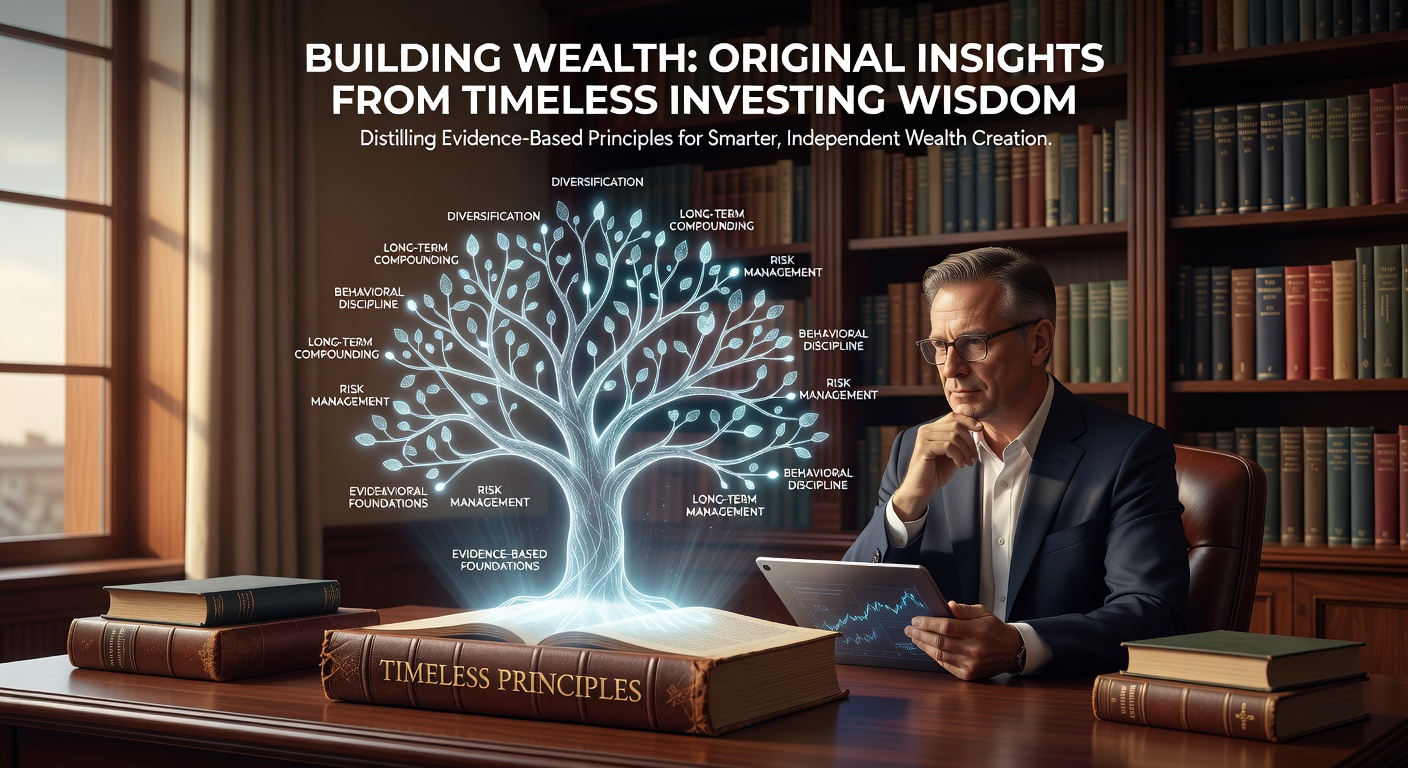
The Foundation of Investing Mindset
A strong investing mindset is the bedrock of financial success. Many classics emphasize psychology over tactics, reminding us that emotions often derail even the best-laid plans.
-
The Intelligent Investor by Benjamin Graham teaches the value of value investing, focusing on buying undervalued assets with a margin of safety. In today's world of meme stocks and crypto hype, this means ignoring short-term noise and assessing a company's intrinsic worth. Imagine a tech bubble bursting—Graham's approach would have you scooping up solid firms at bargain prices, much like Warren Buffett did during market dips.
-
A Random Walk Down Wall Street by Burton Malkiel introduces the efficient market hypothesis, suggesting markets reflect all available information, making it hard to beat them consistently. For modern investors, this underscores the power of index funds over stock-picking. With apps like Robinhood democratizing trading, Malkiel's wisdom warns against the illusion of easy wins in day trading.
-
The Psychology of Money by Morgan Housel dives into how behavior shapes financial outcomes. He stresses that wealth is more about habits than intelligence. In an era of social media influencers flaunting luxury, apply this by prioritizing consistent saving over flashy spending—think compounding interest as your silent ally.
These books collectively highlight that mindset trumps market timing. By cultivating patience and rationality, you avoid common pitfalls like panic selling during downturns, as seen in the 2022 market crash.
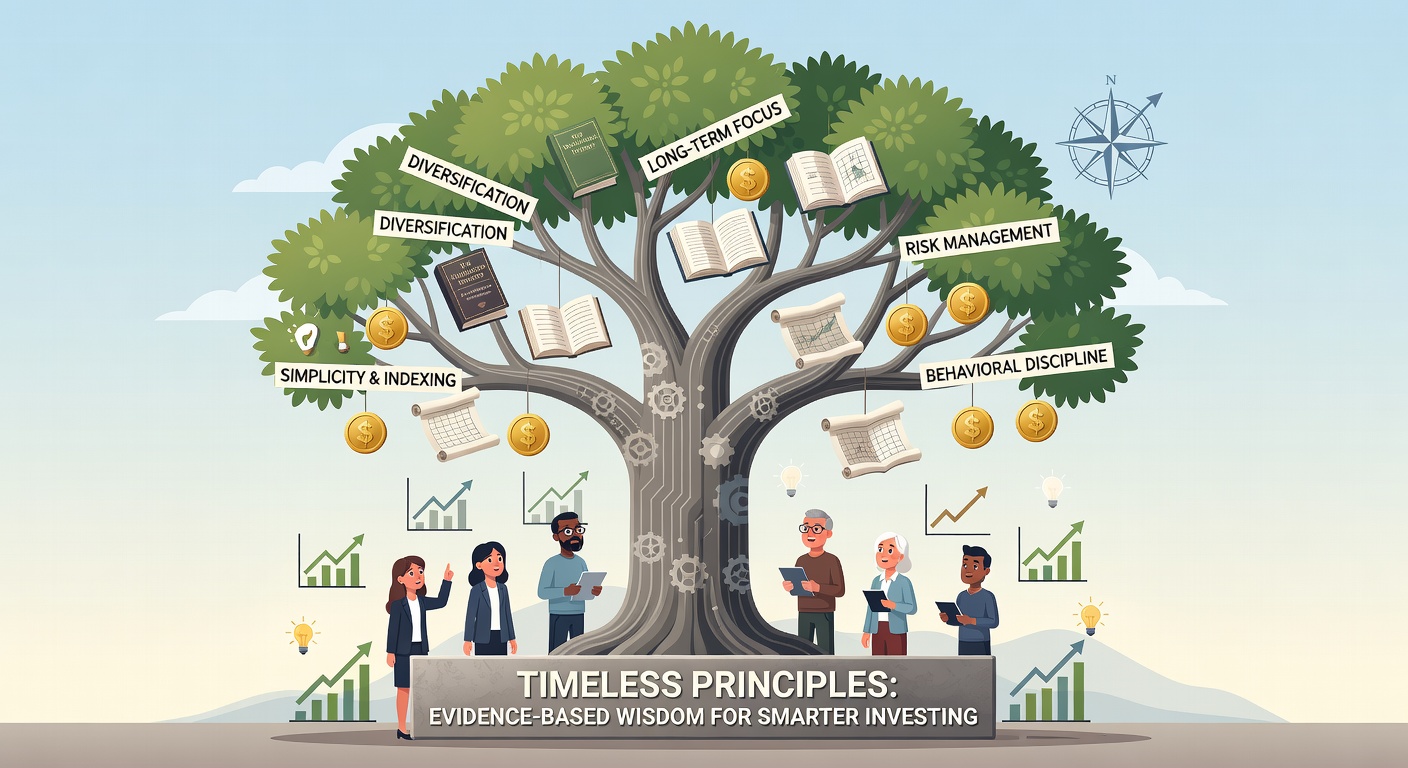
Strategies for Building and Preserving Wealth
Once your mindset is set, effective strategies come into play. Classics offer blueprints for long-term growth, adapted here for contemporary tools like robo-advisors and ETFs.
-
Common Stocks and Uncommon Profits by Philip Fisher advocates for scuttlebutt investing—gathering insights from various sources to evaluate a company's potential. Today, this could mean analyzing user reviews on platforms like Reddit or Glassdoor before investing in a startup. Fisher's method helped identify enduring winners like those in the FAANG group.
-
The Little Book of Common Sense Investing by John C. Bogle champions low-cost index investing. As the founder of Vanguard, Bogle's legacy lives in passive funds that track the market. In 2026, with inflation concerns and AI-driven economies, his advice to minimize fees remains crucial—why pay high management costs when broad-market ETFs yield steady returns?
-
Rich Dad Poor Dad by Robert Kiyosaki shifts focus to financial education and assets over liabilities. While controversial, its core idea of building income-generating assets resonates. Modern application: Invest in rental properties via platforms like Airbnb or dividend stocks, turning money into a worker rather than vice versa.
Bullet points on practical strategies inspired by these works:
- Diversify portfolios to mitigate risks, as per Fooled by Randomness by Nassim Nicholas Taleb, which warns of black swan events—like the unexpected impacts of geopolitical tensions.
- Embrace compounding, from The Millionaire Next Door by Thomas J. Stanley and William D. Danko, showing how frugal living leads to millionaire status without high incomes.
- Use dollar-cost averaging, echoed in Your Money or Your Life by Vicki Robin and Joe Dominguez, to invest steadily regardless of market highs or lows.
These strategies emphasize simplicity and consistency, proving that wealth building is a marathon, not a sprint.

Navigating Risks and Market Realities
No investing journey is without risks, and classics provide tools to navigate them wisely. We'll explore how to balance opportunity with caution in an age of rapid information flow.
-
Against the Gods by Peter L. Bernstein examines the history of risk management, showing how probability and insurance evolved. Apply this to portfolio hedging—use options or bonds to protect against downturns, especially in volatile sectors like renewable energy amid climate policy shifts.
-
Manias, Panics, and Crashes by Charles P. Kindleberger dissects financial bubbles. With recent examples like the NFT craze, it teaches spotting euphoria and exiting before crashes. Kindleberger's cycles remind us that history rhymes; today's AI boom could be tomorrow's bust.
-
Where Are the Customers' Yachts? by Fred Schwed Jr. satirizes Wall Street's self-interest, urging skepticism toward financial advisors. In 2026, with fintech disruptions, this means vetting robo-advisors and understanding fee structures to ensure your interests align.
Key risk-navigation tips:
- Always consider opportunity cost, as in Thinking, Fast and Slow by Daniel Kahneman, which explores cognitive biases. Don't chase hot tips; evaluate what you're forgoing.
- Build an emergency fund, inspired by The Total Money Makeover by Dave Ramsey, to weather personal financial storms without liquidating investments.
- Stay informed but not overwhelmed—Irrational Exuberance by Robert J. Shiller warns of overvalued markets, like the dot-com bubble, advising data-driven decisions over hype.
By internalizing these, investors can turn risks into calculated gambles, fostering resilience.
Integrating Wisdom into Everyday Life
Beyond theory, these books inspire actionable habits. Let's tie them to daily routines for holistic wealth building.
-
The Richest Man in Babylon by George S. Clason uses parables to teach paying yourself first—saving 10% of income before expenses. In modern budgeting apps, automate this to build wealth effortlessly.
-
Security Analysis by Benjamin Graham and David Dodd provides rigorous methods for fundamental analysis. For today's retail investors, tools like Yahoo Finance make this accessible, helping evaluate stocks beyond surface-level metrics.
-
One Up On Wall Street by Peter Lynch encourages investing in what you know, like everyday brands. With e-commerce giants dominating, scout opportunities in familiar industries, such as sustainable fashion if you're passionate about eco-trends.
Incorporating these into life:
- Track net worth monthly, drawing from I Will Teach You to Be Rich by Ramit Sethi, to measure progress.
- Educate family on finances, per The Wealthy Barber by David Chilton, turning investing into a household value.
- Avoid lifestyle inflation, as Your Money and Your Brain by Jason Zweig explains neuroeconomics—resist the urge to spend windfalls.
This integration ensures investing becomes a lifestyle, not a chore.
Conclusion
In synthesizing wisdom from these 20 investing classics, we've seen how timeless principles—mindset, strategy, risk management, and daily habits—form the blueprint for wealth in any era. By applying them with a modern twist, from leveraging tech to dodging digital pitfalls, you can navigate today's complex markets confidently. Remember, the greatest investment is in your knowledge; start small, stay consistent, and let compounding work its magic. With discipline, these lessons can transform aspirations into lasting prosperity.
(Word count: 1,056)